Wardogs Season 2 Update Explained
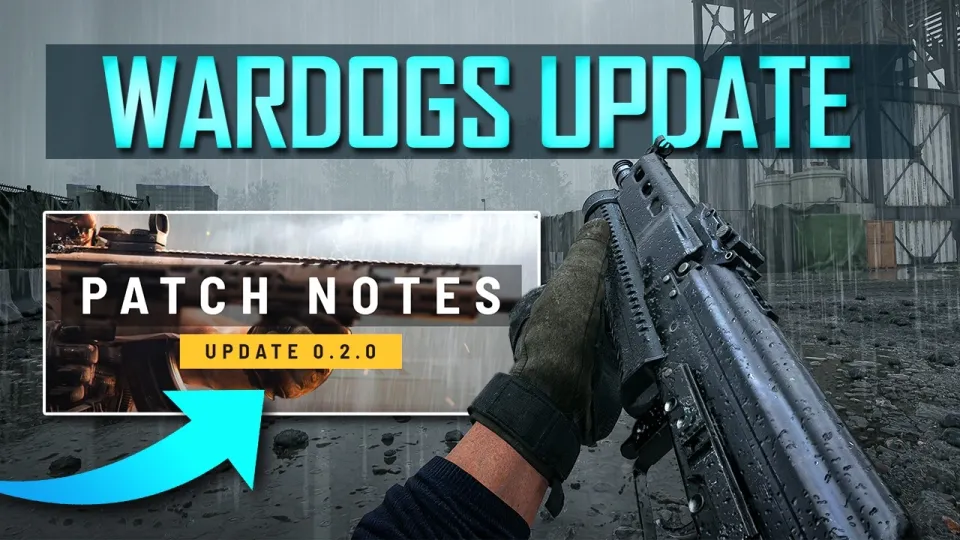
Video: WARDOGS New Season 2 Update ► EVERYTHING You Need To Know
You can order the same kind of articles for your own video to boost it on YouTube and Google. Just message the Telegram bot @sat_sit_bot. The bot writes and publishes the articles itself (with your YouTube video embedded) on popular topical websites (no ads). Free trial — 50 articles.
Wardogs Season 2 is a broad rebalance of the game's economy rather than a content drop: logistics deliveries pay more per trip but require more trips, FOB construction was nerfed across the board, and vehicles, optics and aircraft all got price and performance adjustments. The headline for most players is that infantry income is largely untouched while drivers, builders and pilots have to work harder for the same money. The full patch notes are published on Steam, and GhostGaming walks through every change in the update breakdown, with a live version of that coverage available on GhostGaming's Twitch channel.
What changed in the Wardogs Season 2 economy
The Season 2 economy shifts money toward repeated, smaller deliveries instead of one big run. Supply pallets now pay a base of $1,250, and a delivery streak of 10 adds a $2,500 bonus, so a single pallet at that streak is worth $1,250 base plus $2,500 bonus. The streak numbers shown early in the coverage were measured outside the combat zone, and the corrected figures in the patch notes are the ones to plan around.
The catch is volume. Because the per-trip ceiling is lower than in Season 1, matching old logistics income means many more round trips, and a driver who used to spawn a single URAL to top up a FOB that was running dry now has little incentive to do so. Players who main logistics report that the job already attracted few volunteers, and the new structure makes it a longer grind for less money than simply fighting. Driver progression is affected too: the leveling curve for the driver role is effectively unchanged, so the extra hours do not translate into faster unlocks.
Vehicle, weapon and optic adjustments
Vehicle and weapon tuning in Season 2 hits both ends of the price range. The minigun Little Bird costs roughly $14,000 fully loaded with three flares, and with the payout side nerfed, a single mistake can wipe out thousands in a run that never turns a profit. The .50 cal damage was cut by 16%, a change with a concrete consequence: tier 2 armor can now survive a shot from the end-game sniper rifle. Sniper hit zones are the head and neck, so shot placement matters more than raw caliber.
On the infantry side, the changes are smaller but odd. The SKS bipod moved from $800 to $810, a $10 increase that does nothing to address long-standing complaints about variable zoom scope keybinds. Low-zoom, minimalistic optics remain locked behind late progression, which frustrates players who just want a clean red dot without clutter. Helicopter pilots also want landing XP raised, since the money and purchase nerfs already hit them twice.
Logistics and FOB building under the new rules
FOB construction is the biggest loser of the update. Every part of the FOB loop was nerfed, and the same result now takes roughly three to four times the work, which is why builders expect fewer forward operating bases to appear late in a season. A round-trip bonus for delivering personnel existed in Season 1, but it was lost the moment a driver stepped out of the vehicle; whether that bug is fixed matters for anyone hauling squads.
In practice, a convoy of 15 logistics trucks dropping close to 100 pallets at a tower still needs enough builders to turn those supplies into walls, and if the walls do not go up, the FOB gets overrun regardless of stock. The supply chain only works when drivers and builders are both present, and Season 2 makes recruiting both harder. The upside, if there is one, is that infantry income is comparatively better, which pushes the overall game closer to where it was before the logistics meta took over.
Air power and anti-air in Season 2
Helicopters face a harder environment. A new anti-air vehicle in the Gepard mold joins the roster, and the Browning turret adds another threat to low-flying aircraft, so pilots who relied on uncontested airspace need to plan routes and flare use more carefully. The minigun Little Bird's price increase looks harsh in isolation, but reduced AA effectiveness early in the season may partially offset it before the new AA vehicles become common.
Pilot economics remain the weak point. Spending $14,000 on a loaded aircraft and losing it to one mistake is not enjoyable, and the community's suggested fix is straightforward: more XP for landings and a better return on successful sorties. Expect minigun helicopters to be rare in the first weeks of Season 2 while players wait to see how the AA meta settles.
Common questions from the community
The most common concerns around the update are about whether logistics is still worth doing and how fast the new gear will appear. Players note that tier 3 and tier 4 armor, tanks and heavier vehicles can show up within four to five hours of a season going live, which compresses the early-game window for everyone else. Others point out that late unlocks for simple low-zoom optics feel punitive when the base sight picture is already cluttered.
There is also frustration about the direction of travel: nerfing every part of the FOB and logistics loop at once risks making both obsolete, and players are openly asking for a follow-up patch. The squad intent list drew positive reactions, with veterans of older shooters missing the days of a team commander who could set objectives map-wide, and that feature is one of the few additions nobody is arguing about.
Where to follow the full patch notes and coverage
- Full patch notes on Steam: https://store.steampowered.com/news/app/1867240/view/670630562731396445
- GhostGaming on Twitch: http://www.twitch.tv/ghostgaminggg
- GhostGaming on Twitter: https://twitter.com/GhostGamingG
- GhostGaming Discord: https://discord.gg/MzkAVCy
- GhostGaming on TikTok: https://www.tiktok.com/@ghostgaming_battlefield
Bottom line on the Wardogs Season 2 update
Season 2 rebalances Wardogs around infantry income and repeated logistics trips, and the players who feel it most are drivers, FOB builders and helicopter pilots. The numbers are clear: $1,250 plus a $2,500 streak bonus per pallet, a 16% cut to .50 cal damage, and a minigun Little Bird at roughly $14,000 fully loaded. Whether the changes hold depends on how quickly the developers respond to the logistics complaints, since three to four times the work for the same return is a hard sell. For a full walkthrough of every change, watch the GhostGaming breakdown, and follow the channel live at GhostGaming on Twitch for post-patch testing.
Key takeaways
- Logistics pallets now pay $1,250 base plus a $2,500 streak bonus at a 10-delivery streak, with the bonus applying outside the combat zone.
- Vehicle prices and payouts were rebalanced: the minigun Little Bird costs around $14,000 fully loaded with three flares, and helicopter landing XP is still seen as too low.
- The .50 cal damage was reduced by 16%, which lets tier 2 armor survive a hit from the end-game sniper rifle.
- FOB building and logistics were nerfed across the board, so the same output now takes roughly three to four times the work.
- New anti-air options, including a Gepard-style AA vehicle and the Browning turret, make life harder for helicopter pilots.
Source: WARDOGS New Season 2 Update ► EVERYTHING You Need To Know · Markdown version
Questions & answers
Is logistics still worth doing in Wardogs Season 2?
It can still pay, but only at volume. A pallet at a 10-delivery streak is $1,250 base plus a $2,500 bonus, so the money is there for drivers who chain trips. The trade-off is that one quick URAL run to resupply a drying FOB no longer makes sense, and the same income now takes far more round trips.
Why did the minigun Little Bird get more expensive?
The loaded price is around $14,000 with three flares, and the payout side of flying was nerfed at the same time. The developers appear to be offsetting reduced anti-air effectiveness early in the season, before the new Gepard-style AA vehicle becomes common. Pilots argue the aircraft was already hard to pay off in Season 1.
Does the .50 cal nerf change sniper fights?
Yes. A 16% damage reduction means tier 2 armor can survive a hit from the end-game sniper rifle. Since sniper hit zones are the head and neck, aiming for those areas matters more than ever, and body shots are less reliable as a finisher.
How hard is FOB building now?
Substantially harder. Every part of the FOB loop was nerfed, so reaching the same result takes roughly three to four times the work. Builders also depend on logistics deliveries arriving, and with fewer drivers willing to run supplies, forward bases are expected to be rarer as the season progresses.